
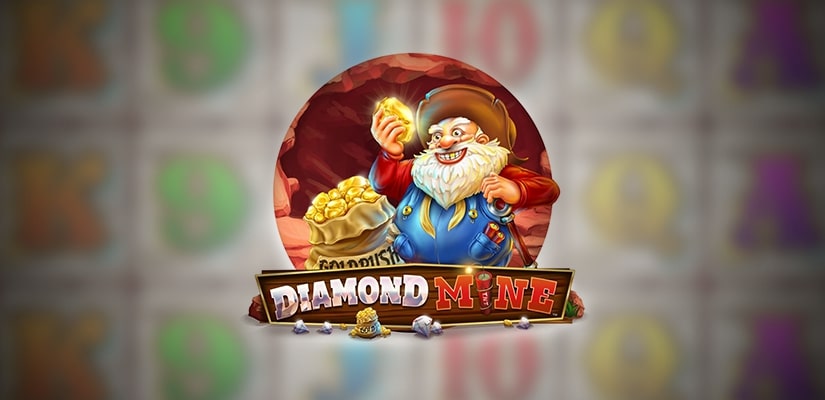
Mine Slot pomoc w logowaniu is a standalone mining-themed slot game, and what makes it deserving of a closer look is how lock-and-spin mechanics can shift the rhythm of a session. I handle it as a game-first review: theme, grid, win rules, RTP, volatility, bonus features, bet range, and max win. Because the title points at lock and spin features, I will illustrate how those features usually work, what they impact volatility, and how to test them without guessing. I will not claim every build has identical numbers. Instead, I will point out what to verify in the paytable and game info panel. If you prefer a practical read on Mine Slot rather than marketing language, this is the path I take, and I will keep the focus on the game itself rather than anything around it. That renders the advice usable whether you are exploring the demo or playing for real.
Table of Contents
Wild icons, Scatter icons, Multiplier symbols, and Free Spins
Wilds, scatter symbols, multiplier icons, and free spins are the secondary features, and I check each one on their own because they carry out different jobs. A wild symbol stands in for standard symbols to finish a win; a scatter symbol typically activates or retriggers a special round and can award anywhere. Multipliers can be applied to winning lines, special round rewards, or the whole round, so I confirm in which part they apply. Free spin rounds may take place on the same grid or a modified set of reels, and the difference makes a difference because a special-round reel setup can change variance. In Mine Slot, I look for whether the lock-and-spin bonus is the main bonus or one of several, and whether bonus spins can re-trigger. I also verify whether multiplier symbols are summed or multiplicative, because this is the difference between a minor enhancement and a major limit. The list that follows is my quick feature audit ahead of I evaluate the game’s bonus frequency.
- Wild rules: substitution scope and any attached multiplier.
- Scatter symbol rules: activation count, payment, and retrigger role.
- Bonus spins: initial number, retrigger rule, and changes to reels.
- Multiplier symbols: when they take effect and whether they stack.
- Feature limits: maximum win, payout limit, or round limit.
Mine Slot’s Theme and Base-Game Rhythm
On the base game, I begin with the mining theme because it tells me what to expect from symbol hierarchy and pacing. Mine Slot uses a cave-and-equipment aesthetic, so I examine the paytable for the real high and low symbols rather than assuming a gem is premium. I examine whether low symbols are card-style icons or mining tools, how often premium symbols show up, and whether the base game rewards frequently but small or rarely but larger. The rhythm matters: a base game that sustains the reels moving with modest returns makes lock-and-spin triggers appear like a genuine change of gear. I also look for dead-spin clusters and near-miss teases, because those impact how volatile the session feels in practice. The theme is not just ornament here; it frames the feature, and I utilize it to decide whether the game’s pace matches a short test or a longer session.
Bet Range, Maximum Payout, and Budget Options
Bet range and maximum payout are where I get practical about funds. Mine Slot should show a wager tool with a base and maximum bet, and I verify both before playing. The minimum tells me whether I can try the feature at low cost; the top tells me whether the game is built for VIP sessions. I do not assume a set amount, because the identical game can be set up in various ways vod.tvp.pl across builds. Max win is just as crucial: I seek a declared limit, whether it is given as a stake multiple or a set sum, and whether the lock-spin feature is the path to that cap. A high max win with low trigger frequency is not automatically better; it can mean lengthy gaps. I also verify whether any top award is fixed or growing, because growing awards alter the risk level. I determine a play budget, choose a bet that allows me to view enough spins for the element to appear, and steer clear of chasing a limit that the paytable does not explicitly back.
Reels, Winning lines, and Winning Ways
Reels, paylines, and ways to win are the rules I check before hitting the spin button. Mine Slot’s exact layout is outlined in the paytable, so I do not assume a standard five-reel, three-row setup just because it is typical. I check the number of reels and rows, then establish whether wins are paid on fixed paylines, adjustable paylines, or ways-to-win. Fixed lines are easy to manage because the cost per spin is consistent; adjustable lines can decrease the stake but also cut coverage. Ways-to-win usually payout for matching symbols on adjacent reels from left to right, and that changes how often you experience a return. I also verify whether scatter symbols pay anywhere, whether line wins must commence on reel one, and whether the lock-and-spin feature uses the same grid or a separate layout. Those details determine whether a near miss is genuinely close or just visual noise.
Lock and Spin Mechanics Step-by-Step
Lock-and-spin is the feature I aim to learn first, because it changes the decision making around wager size. The main concept is simple: specific symbols lock into position, then you get respins while the locked set stays on screen. If more lock symbols land, the respin total often resets, and the round continues until the respins expire or the grid is full. In Mine Slot, I verify whether the function is triggered by a number of symbols, a scatter group, or a chance event, and whether it can be bought directly where that possibility is present. I also check whether locked symbols bear cash values, multipliers, or jackpot tags, because that changes the function’s maximum. As benchmarks, I contrast established lock-and-spin games from Relax Gaming and Push Gaming, but Mine Slot’s own paytable stays the authority. The sequence below is the one I use to assess any lock-and-spin round without assuming details that are not in the paytable.
- Verify the trigger and whether it may happen in the base game.
- Take note of the starting respin count and reset rule.
- Review what locked symbols are worth and whether they interact.
- Search for multiplier symbols, jackpot, or collector signs.
- Verify the feature cap and any max win rule.
Theoretical payout Fluctuation, and Session Expectations
Theoretical payout and fluctuation are the two numbers I treat as preparation instruments, not promises. For Mine Slot, I check the in-game info panel for the listed RTP because the same game can appear in different builds with different numbers. If no value is provided, I regard any mentioned number as unconfirmed. In the wider slot market, RTP often lies around 94% to 96.5%, but I do not impose that band onto this game. Variance is more straightforward to feel than to label: low volatility tends to generate common smaller returns, while high fluctuation relies on more uncommon, larger shifts. Lock-and-spin mechanics usually move a game toward the upper end because the element can lengthen with each locked symbol. I evaluate variance with a demo playthrough and observe how often the feature activates, how long the base game halts, and whether my balance survives long enough to witness the mechanism. That is more useful than debating about a single percentage point.
How to Try Mine Slot and Assess the Lock-and-Spin Compatibility
To test Mine Slot, I start in demo mode, open the paytable, and confirm the grid, win rules, RTP, volatility label, bet range, and feature triggers. Then I perform a short session at a low stake and note how often the lock-and-spin feature shows up, how many respins I get, and whether the locked symbols appear meaningful. I change stake only after I understand the pace. If the feature is the main draw I am playing, I see whether it can be accessed directly and what that costs relative to my budget. I also compare the base game’s hit rate with the feature’s payout profile, because a game can feel generous in the bonus and leave dry the base game. The objective is not to chase a big win; it is to figure out whether the lock-and-spin loop matches my tolerance for swings and my session length.
My takeaway is that Mine Slot should be evaluated by how its lock-and-spin loop works, not by a headline number alone. I would check the paytable first, try the feature in demo, and only then choose a stake that aligns with the volatility I actually observed. If the trigger appears too rare for your budget, cut the session or try another; if the respin resets and symbol values align with your tolerance, the game has a clear purpose in a session. The concrete next step is straightforward: start Mine Slot, check the info panel, and perform a low-stake test focused on the lock-and-spin round before raising your bet. That single test reveals you more than any promotional claim because it demonstrates the real trigger rhythm, the respin resets, and the magnitude of the feature payouts in the version you are actually playing.