



Table of Contents
The Allure of Chance and Uncertainty
The fundamental appeal of casino games lies in the thrill of chance and uncertainty. Players are drawn to the idea that with each spin of the wheel or roll of the dice, a significant outcome could occur. This unpredictability activates the brain’s reward system, particularly the release of dopamine, which causes feelings of pleasure and excitement. As players experience wins, even small ones, their brains reinforce the behavior, encouraging them to continue playing in hopes of striking it rich. Additionally, some players may explore options like $10 neosurf deposit casino to enhance their gaming experience. The promise of potential wealth, albeit largely based on luck, compels many to take risks that they might otherwise avoid.
Furthermore, the allure of possibility is enhanced by the concept of near misses, a psychological phenomenon where players come close to winning, which can be more motivating than an outright loss. For example, hitting two out of three symbols in a slot machine may lead players to believe that they are “due” for a win, subconsciously compelling them to take further risks. This creates a cycle of reinforcement, where the thrill of almost winning fuels continued engagement with the games. The anticipation generated by these near misses can be intoxicating, often leading players to chase that elusive victory.
The concept of uncertainty also ties into our innate desire for control in unpredictable environments. Players may develop strategies, such as betting patterns or game choices, which they believe increase their chances of winning. This sense of agency, even in randomness, helps to create a deeper emotional investment in the gameplay experience. By feeling that they can influence the outcome, players become more engrossed in the game. This psychological interplay between chance, strategy, and the human desire for control is what makes casino games so captivating for many individuals.
The Role of Environment in Player Experience
Casinos are meticulously designed environments, created to stimulate players and enhance their gambling experience. Factors such as lighting, sound, and layout work together to create an atmosphere that encourages players to stay longer and spend more. For instance, the vibrant lights of slot machines and the sounds of winning jackpots are all intentional, designed to draw attention and evoke excitement. This stimulating environment heightens players’ emotional states, making them more likely to engage with the games. The sensory overload can create an almost euphoric state, reinforcing the desire to continue playing.
The absence of clocks and windows in many casinos further contributes to this immersive experience. By eliminating cues related to time and the outside world, casinos create an environment where players can lose track of time, often extending their play sessions far beyond what they initially intended. This lack of temporal awareness can lead to prolonged periods of gambling, as players become engulfed in the experience without the interruptions of reality. The design is not just about the games; it’s about creating a sanctuary for escapism that keeps players engaged.

Moreover, the social aspect of casino gaming cannot be overlooked. Many players enjoy the atmosphere of camaraderie and competition that arises in various games, such as poker or blackjack. The presence of other players can amplify excitement levels and provide social validation, reinforcing participation. This combination of environmental elements plays a critical role in shaping player behavior and the overall casino experience, making it far more than just a simple game of chance. The interactions, whether competitive or communal, add layers of enjoyment that keep players returning for more.
The Impact of Reinforcement and Rewards
The psychology of gambling heavily revolves around the concepts of reinforcement and rewards. In behavioral psychology, positive reinforcement increases the likelihood of a behavior being repeated. In casino games, each win—no matter how small—serves as a reinforcer. This mechanism is instrumental in creating a gambling habit, where players return to the casino seeking that next thrill or reward. Additionally, the intermittent schedule of rewards—where wins happen unpredictably—creates a sense of excitement akin to a slot machine’s spins, leading to greater player engagement. This unpredictability in rewards keeps players on their toes, fostering a sense of thrill and anticipation.
Casinos also employ loyalty programs and bonuses to enhance this reward system. Such programs provide incentives for players to continue engaging with the games. Players accumulate points with each bet made, which can be exchanged for perks, free plays, or even luxurious experiences. This not only creates a sense of loyalty to the casino but also reinforces the behavior of continued spending and gambling, as players feel they are receiving value in return for their time and investment. The allure of tangible rewards enhances the overall gambling experience and can lead to increased spending as players chase the next reward.
Interestingly, the phenomenon of “loss aversion” also plays a significant role in the gambling experience. People are generally more motivated to avoid losses than to acquire gains. This can lead players to chase losses, continuing to gamble in an attempt to reclaim what they have lost. The psychological hooks of reinforcement, alongside the complex emotions surrounding wins and losses, create an intricate web of motivation that keeps players engaged in casino games despite potential negative outcomes. This cycle of chasing losses can lead to a deepening commitment to gambling, blurring the lines between entertainment and compulsion.
The Influence of Personal Psychology on Gambling Decisions
Each player’s unique psychological makeup significantly influences their gambling behavior and decision-making processes. Factors such as personality traits, risk tolerance, and emotional states contribute to how individuals approach gambling. For instance, those who are more impulsive may take greater risks and gamble larger amounts than those who are inherently cautious. This variance can lead to dramatically different experiences and outcomes in the casino setting. Understanding these differences is crucial for both players and those concerned about gambling behaviors.
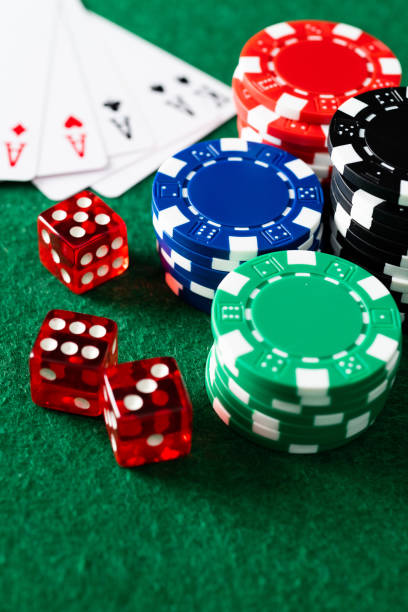
Moreover, an individual’s mindset can dictate their level of engagement with casino games. Players who view gambling as a form of entertainment may have a more measured approach, while those who see it as a means to escape reality might find themselves more deeply entrenched in the gaming experience. This distinction is crucial in understanding why some individuals gamble responsibly, while others may struggle with compulsive behaviors and addiction. The psychological underpinnings of these approaches can shed light on the broader implications of gambling in society.
Finally, social influences and cultural factors can also shape one’s relationship with gambling. In some cultures, gambling is a widely accepted pastime, while in others, it may carry a stigma. These societal norms can affect how individuals perceive their gambling behaviors and lead to variations in gameplay. The interplay between personal psychology and cultural context adds another layer of complexity to gambling behaviors, influencing everything from the frequency of play to the types of games chosen. Overall, personal psychology plays a profound role in the gambling experience, intertwining with the broader psychological themes present in casino games.
Understanding Casino Games through a Psychological Lens
As we navigate the complex psychological landscape of casino games, it becomes clear that these experiences are shaped by a myriad of emotional, cognitive, and environmental factors. Understanding the interplay of chance, strategy, reinforcement, and personal psychology provides valuable insights into why people are drawn to gambling. This exploration fosters a deeper appreciation of the casino experience, extending beyond mere entertainment into a fascinating intersection of human behavior and emotion. By examining these elements, we can better comprehend the motivations behind players’ actions and decisions.
For those interested in further exploring the themes outlined in this article, dedicated resources are available that delve deeper into the connection between psychology and gambling. These resources often provide educational content that helps individuals understand the mechanics of casino games and the psychology behind player behaviors. Awareness of these factors can empower players to make informed decisions, fostering safer and more conscious gambling practices. Such knowledge can be particularly beneficial for those who wish to engage with casino games in a responsible manner.
In conclusion, the psychology behind casino games is a complex and rich field of study, combining elements of chance, environmental influence, reward systems, and personal psychology. By understanding these dynamics, players can cultivate a more nuanced approach to their gaming experiences, resulting in greater enjoyment and mindfulness in their engagement with casino games. Ultimately, this understanding not only enriches the player experience but also contributes to a more responsible gambling culture.